

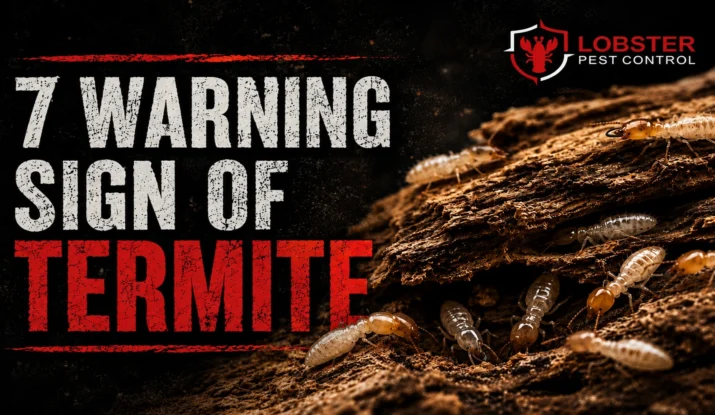
Termites cause damage silently — most homeowners in Dubai don’t notice an infestation until structural repairs are already needed. Knowing the early signs of termite infestation can save you thousands in repair costs and protect your property’s resale value. This guide walks through exactly what to look for, why Dubai properties are particularly at risk, and what to do the moment you spot a problem.
Why Termite Infestations Are So Common in Dubai
Dubai’s climate plays a bigger role than most homeowners realize. Warm temperatures combined with irrigation-fed landscaping, villa gardens, and humid service ducts create ideal breeding conditions for termite colonies year-round — unlike colder climates where termite activity slows in winter. Properties near green spaces, canal-facing units, and villas with wooden decking or garden fencing are especially exposed, since termites travel through soil moisture to reach structural wood.
High-rise towers aren’t immune either. Shared service ducts, riser cupboards, and wooden skirting in basement parking areas can let a colony spread between multiple units in the same building before anyone realizes what’s happening.
The Two Types of Termites You’ll Encounter
Subterranean termites live in underground colonies and travel into buildings through soil contact, foundation cracks, or shared plumbing risers. They’re the most common and most destructive type found in the UAE, since a single colony can contain hundreds of thousands of individuals.
Drywood termites nest directly inside the wood they’re consuming — furniture, door frames, wooden flooring — without needing soil contact at all. They’re harder to detect early because there’s no visible mud trail leading back to a colony.
Knowing which type you’re dealing with changes the treatment approach, which is why a professional inspection matters more than guessing based on one or two symptoms.
7 Warning Signs to Check For
1. Hollow-Sounding Wood
Tap on skirting boards, door frames, or furniture. If it sounds hollow or papery instead of solid, termites may already be eating through the wood from the inside out, leaving only a thin outer shell intact.
2. Discarded Wings Near Windows and Doors
Swarming termites shed their wings after finding a new nesting site, usually during warmer months when colonies reproduce. Small piles of translucent, uniform-length wings on windowsills or near light fixtures are one of the clearest early indicators of an active colony nearby.
3. Mud Tubes Along Walls or Foundations
Subterranean termites build pencil-thin mud tubes to travel between their underground colony and your home while staying protected from open air and predators. You’ll typically find these along exterior walls, foundations, or in basements and parking areas — check corners and areas where walls meet the ground.
4. Sagging Floors or Bubbling Paint
Damaged support structures under flooring cause visible sagging, while moisture trapped by termite activity can make paint bubble or peel in patterns that don’t match normal water damage. Press gently on suspect areas — if the surface gives slightly, structural wood underneath may already be compromised.
5. Frass (Termite Droppings)
Drywood termites push out small, pellet-like droppings as they tunnel, often found in tiny piles beneath infested wood or furniture. Unlike sawdust, frass has a granular, uniform texture and color.
6. Tight-Fitting Doors and Windows
As termites damage wood framing, it can warp slightly, making doors and windows suddenly harder to open or close — a symptom often mistaken for humidity swelling rather than structural damage.
7. A Musty, Damp Odor in Enclosed Spaces
Active termite colonies often bring excess moisture into wall cavities, creating a persistent musty smell in closets, basements, or storage rooms that doesn’t go away with ventilation or cleaning.
Room-by-Room Inspection Checklist
- Kitchen & bathrooms: Check under sinks and around pipe entry points for mud tubes
- Living areas: Tap skirting boards and door frames along exterior-facing walls
- Bedrooms: Inspect wooden bed frames and built-in wardrobes for frass or hollow sounds
- Balconies & decking: Look for bubbling paint or soft wood on wooden decking and railings
- Basement/parking: Check storage units and any exposed wooden fixtures for mud tubes
- Garden (villas): Inspect wooden fencing, sheds, and any wood-to-soil contact points
What Happens If You Ignore the Signs
Termite colonies don’t slow down — they grow. A colony left untreated for 6–12 months can move from minor cosmetic damage to compromising structural beams, door frames, and flooring, turning a manageable treatment into a costly repair project. In shared buildings, delaying treatment also increases the risk of the infestation spreading into neighboring units, which can complicate matters with building management.
DIY vs. Professional Termite Treatment
Store-bought termite sprays and baits can reduce visible activity temporarily, but they rarely reach the full colony — especially subterranean nests that may extend several meters underground. Professional treatment targets the colony source using termiticide barriers, baiting systems, or localized wood treatment depending on the termite type and infestation severity, followed by a check-in visit to confirm the treatment held.
What to Do If You Spot These Signs
If you notice even one or two of these signs, don’t wait — termite colonies grow quickly, and by the time damage is visible, structural repair costs can be significant. A professional inspection can confirm whether you have an active infestation, identify the termite type, and recommend the safest treatment method for your specific property.
Read our full breakdown of treatment options in our Termite Treatment guide, see our Termite Treatment in Dubai Marina page for local response times, or check our Pest Control Cost Guide to understand what treatment typically involves.
Frequently Asked Questions
How fast do termites cause damage? A mature termite colony can cause noticeable structural damage within a few months, though early-stage infestations may go undetected for over a year since most activity happens inside walls and dubaiunder flooring.
Can I treat termites myself? DIY sprays rarely reach the full colony, especially subterranean nests that live underground. Professional treatment targets the colony source rather than just the visible activity on the surface.
How often should I get a termite inspection in Dubai? Annual inspections are recommended, especially for villas with wooden decking, garden fencing, or ground-floor units near landscaped or irrigated areas.
Do termites only affect old buildings? No — new buildings are just as vulnerable if wooden fixtures come into contact with soil moisture or if shared service ducts allow colonies to travel between units.
What time of year are termites most active in Dubai? Swarming activity tends to increase during warmer, humid months, though subterranean colonies can remain active underground year-round due to Dubai’s climate.
Is termite damage covered by home insurance in the UAE? Most standard home insurance policies exclude termite and pest damage, treating it as a maintenance issue rather than an insurable event — which makes early detection and prevention even more important.
Need a professional inspection? Contact us for a same-day termite assessment.